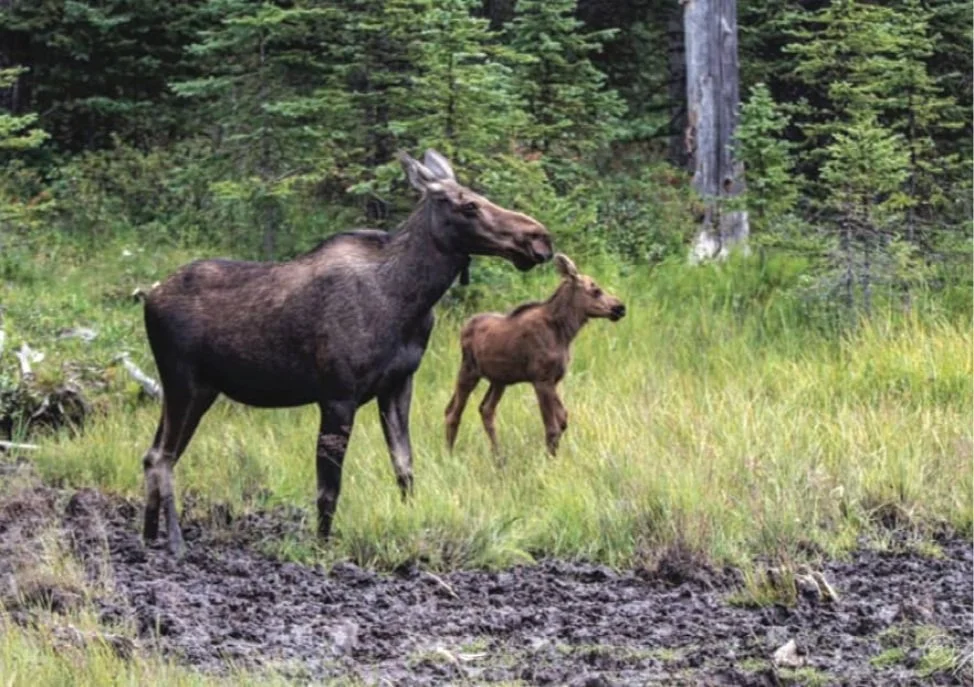
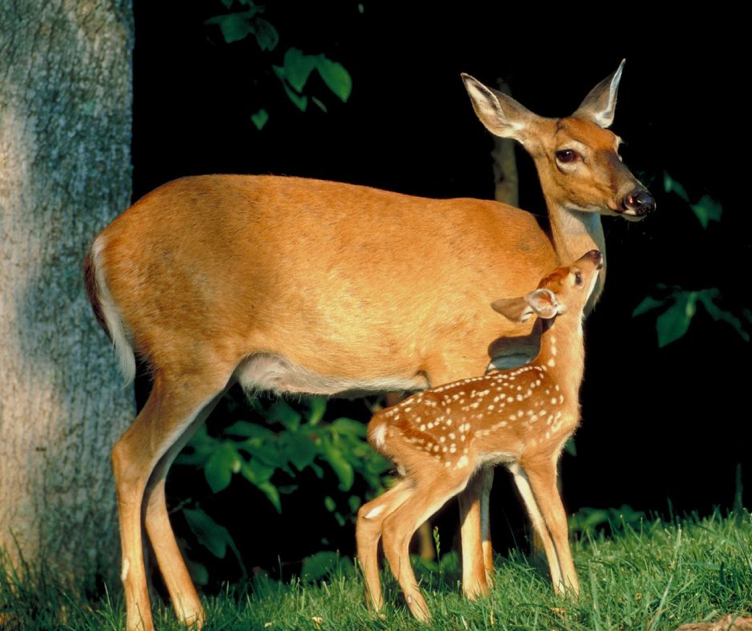
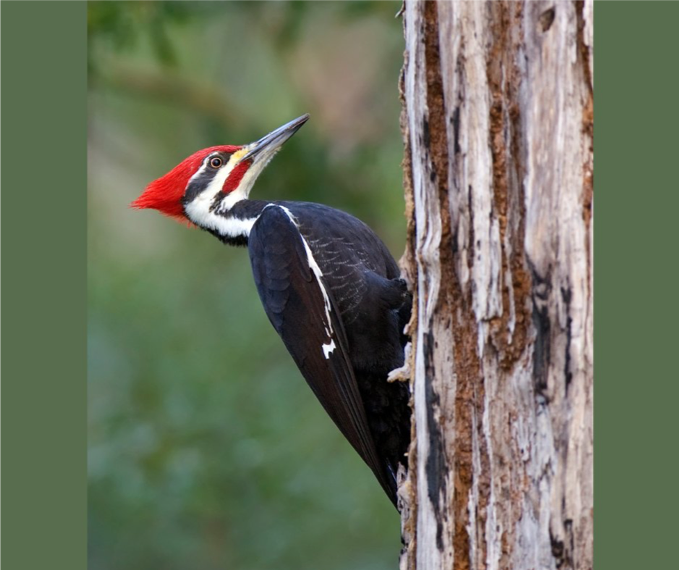
In Bragg Creek, our neighbours aren’t just people — they’re deer, bears, cougars, moose, owls, and many more wild species that share this beautiful landscape with us.
Living here means sharing this land with them. When we respect their habitats and honour their lifecycle needs, our world becomes more vibrant, balanced and alive.
Wildlife by the season
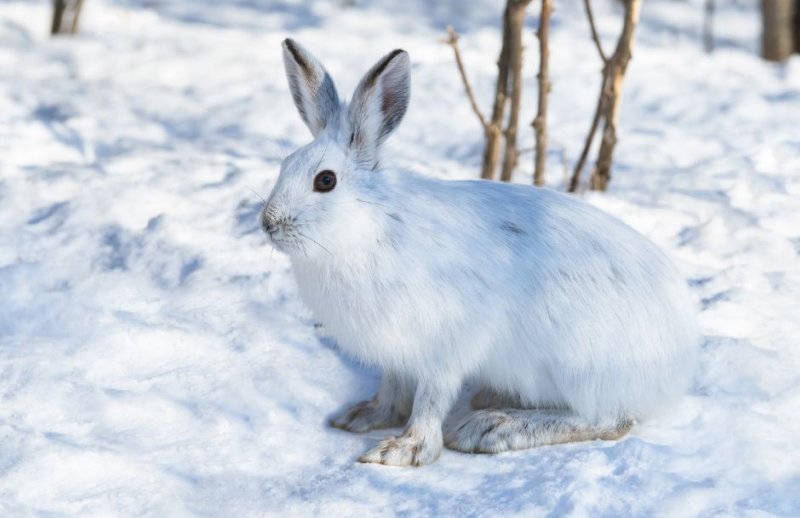
Snowshoe Hare
As February Hops in
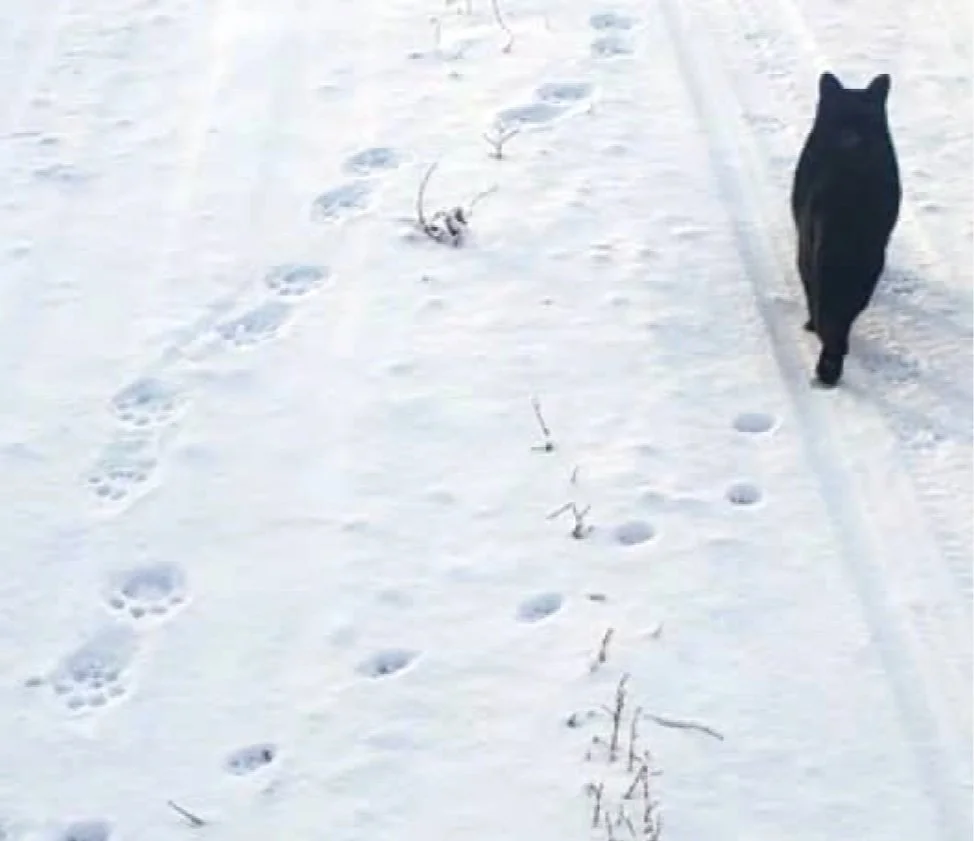
February is peak winter in Bragg Creek, and the Snowshoe Hare is one of the most active and visible mammals at this time, especially if you’re paying attention to tracks in the snow.
Mountain Screamer or the Red Tiger – two of the eighty plus moniker associated with cougars, who, prior to European settlers was the most widely distributed wild mammal on the continent of North America.
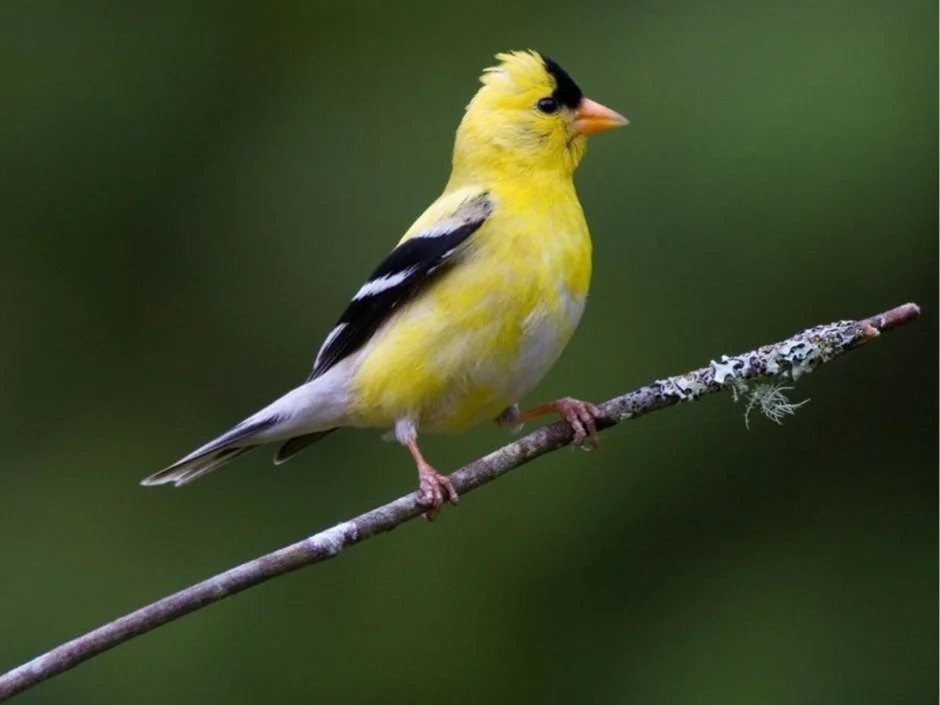
Native American stories tell of the Goldfinch acting out of kindness and usually being rewarded by being gifted with the colour of the sun, and then being so overcome with joy they start to sing their sweet little melody of “per- chick-o-ree”.
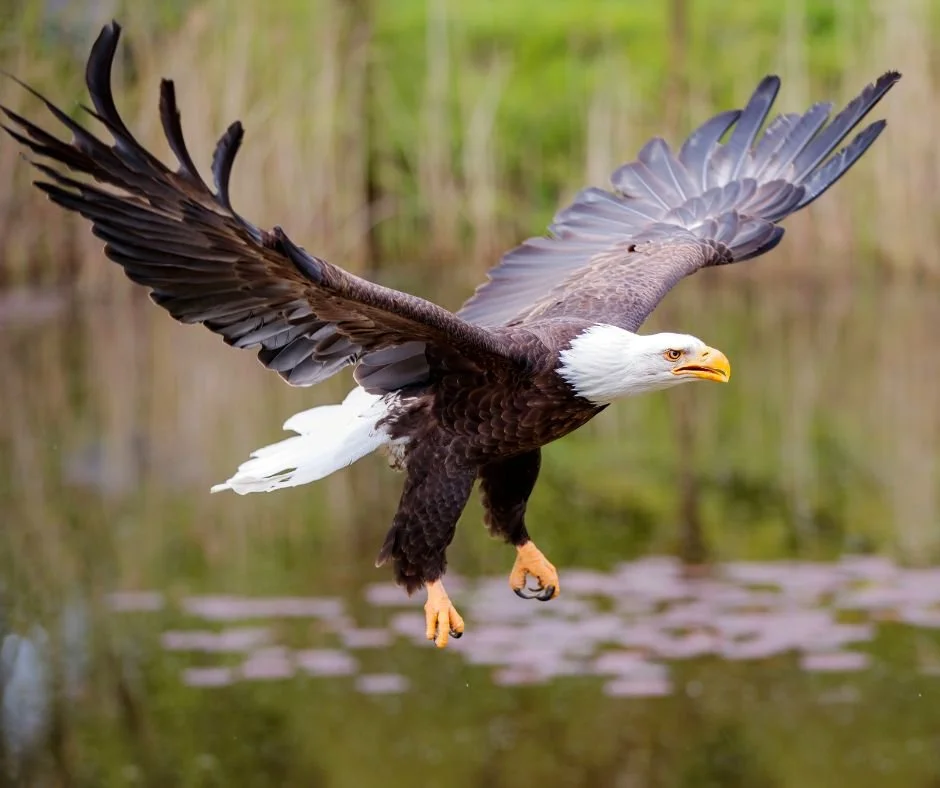
Bald eagles can eat over 400 species, their keen eyesight (eight times that of a human) means they can spot prey from 3 km up in the air and dive at speeds between 120-160 km/ hour to catch it, faster than most cars on the road.
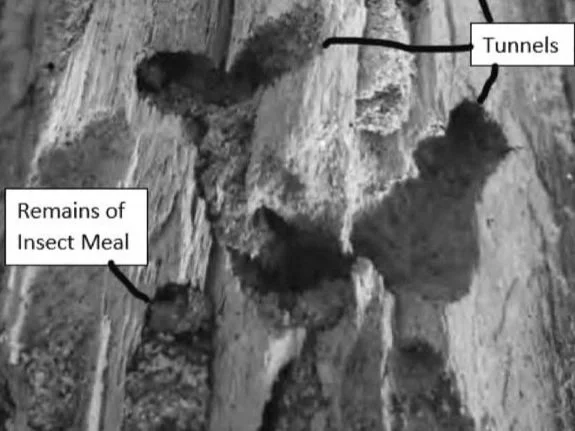
When the temperatures drop below zero these ants start producing something in their ant blood called glycerol, a natural antifreeze stoping ice from forming inside of the ant’s body.
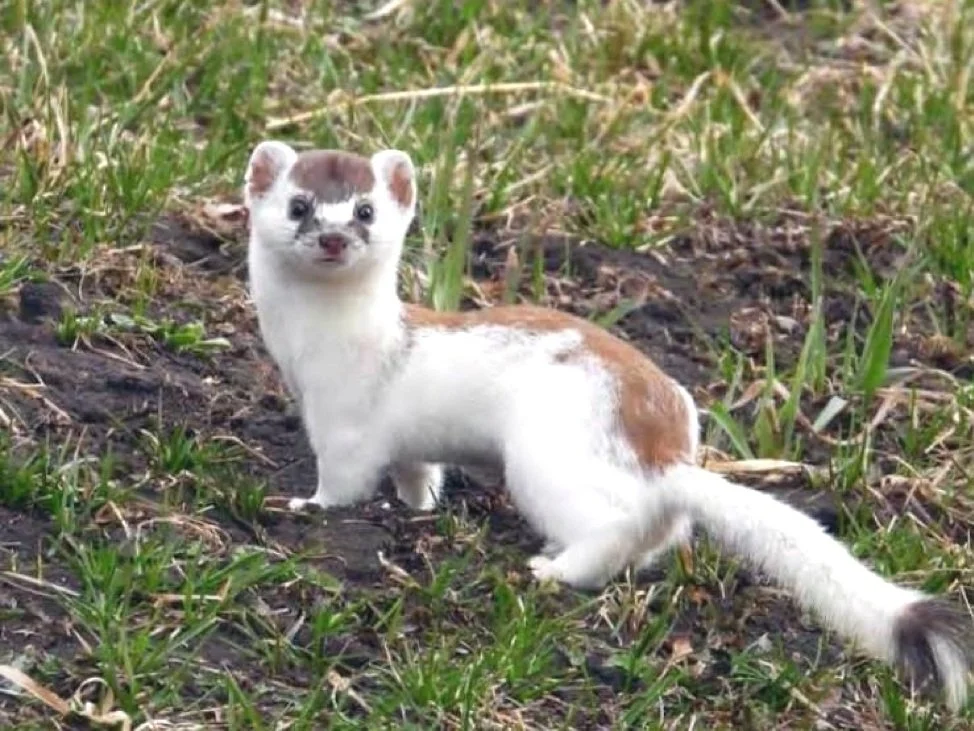
The long-tailed weasel is one of the most ferocious predators in the foothills area. True carnivores, they will consume only fresh meat or the carrion of their prey that they have stored away for later. (Photo credits Jackie Sills)
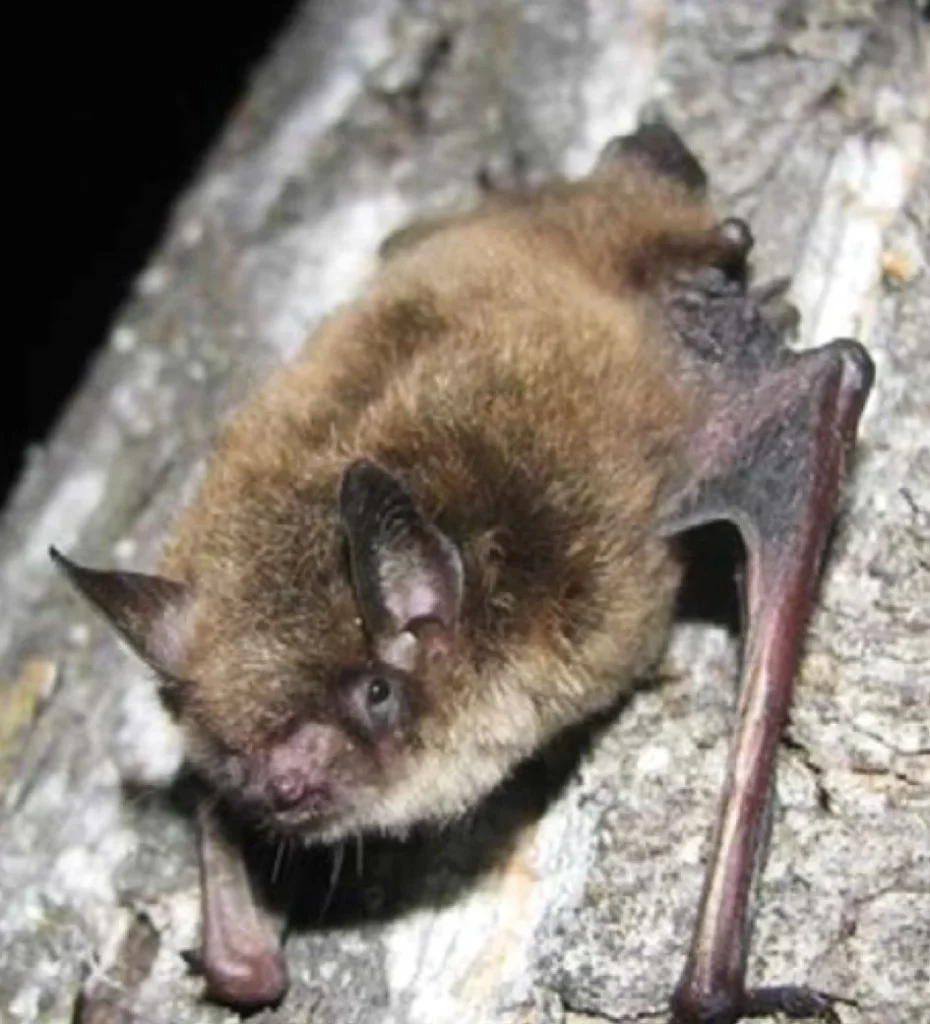
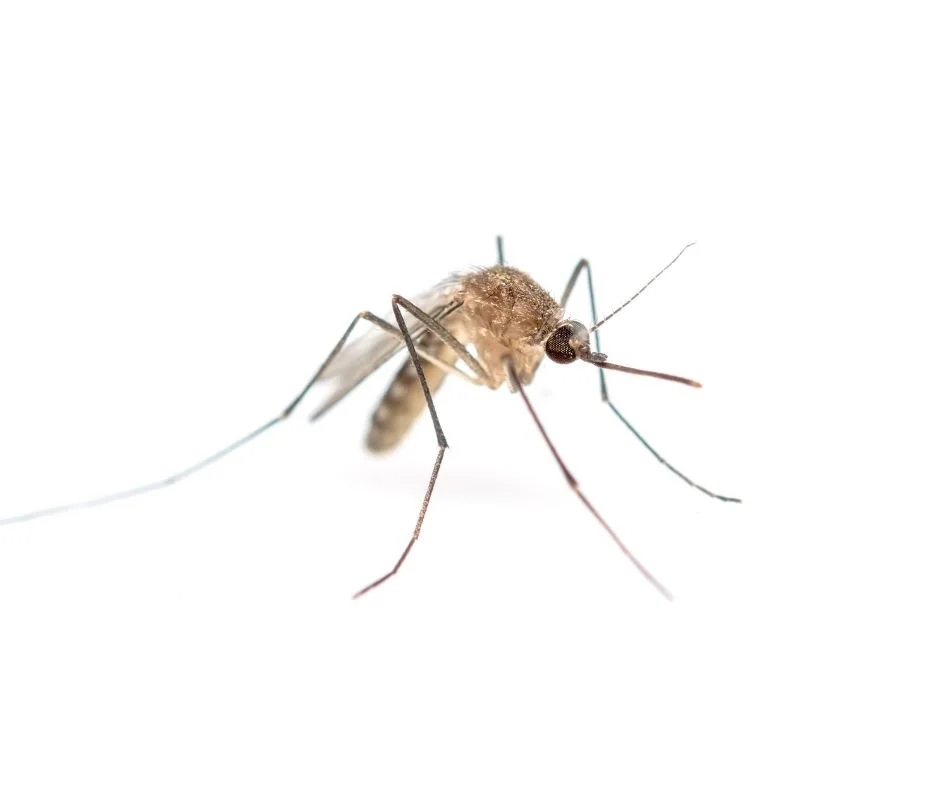
We have nine species of bats in Alberta, and every single one of them is an insectivore. This means that they eat insects, which is a huge plus if you are a farmer who does not like pest insects or if you are one of the many people who loathe our humble mosquitos.
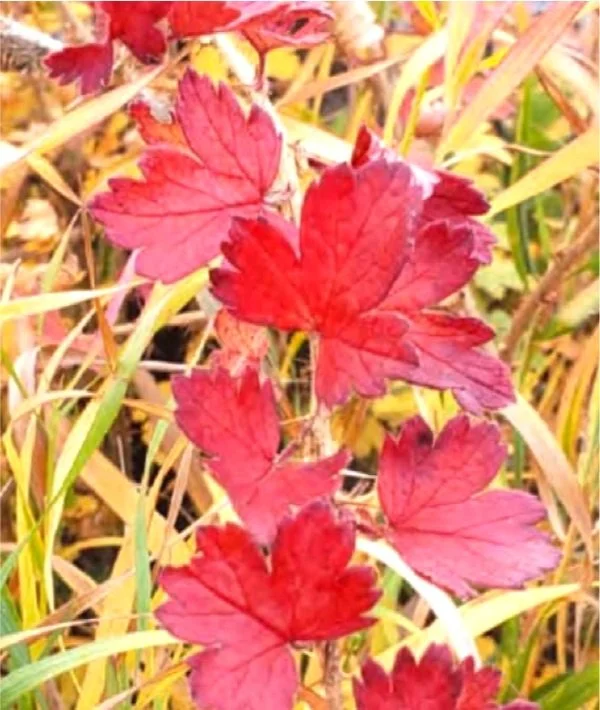
Without chlorophyll in the limelight all the other chemicals are given their own moment in the sun to be the beautiful colours we see in the fall leaves.
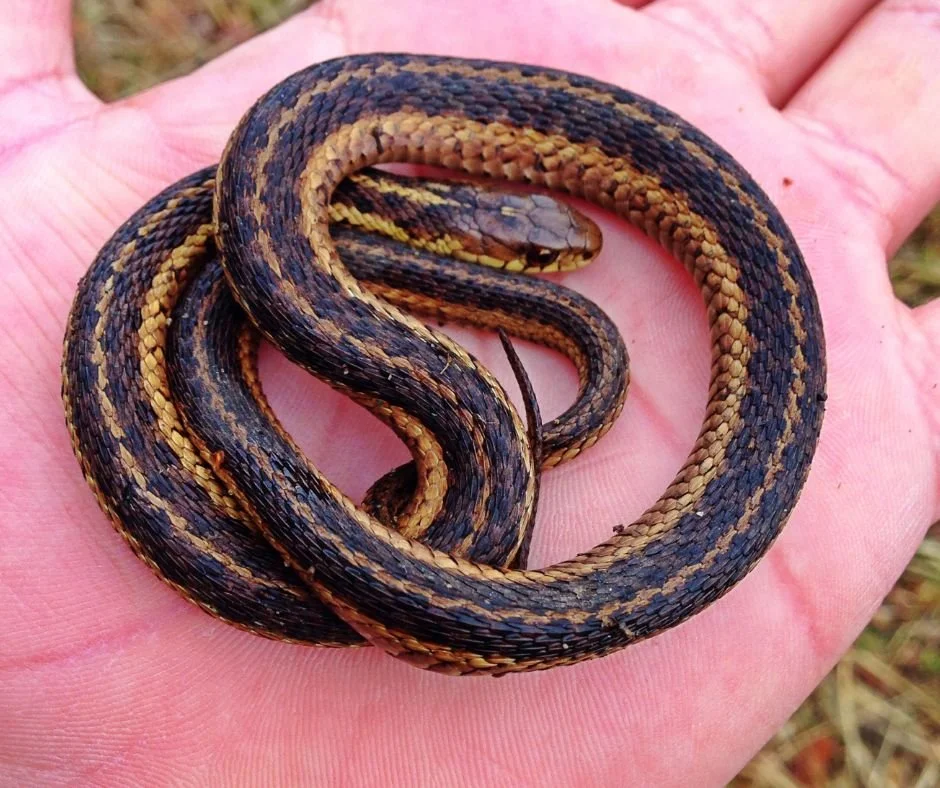
The warmth of July is upon us, and what better way to celebrate than to look at a wild neighbour who also loves sunbathing and taking dips in the water as a summer pastime.
This dark brown mammal can swim faster than two men paddling a canoe, dive to depths of 20 feet, and is named for its love of devouring twigs. (photo credit – James Griffin)
Come May, every yearling (last year’s babies) that I see I congratulate for making it through the harsh first winter that often takes the weak. Cold temperatures, snowpack covering food sources and predators all make winter an incredibly difficult time to survive.
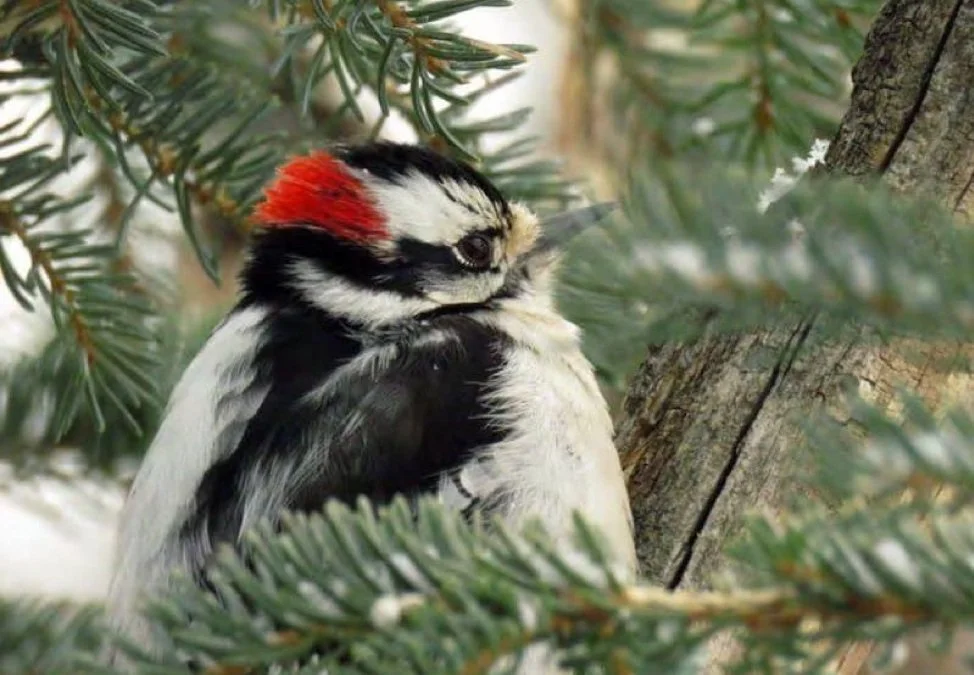
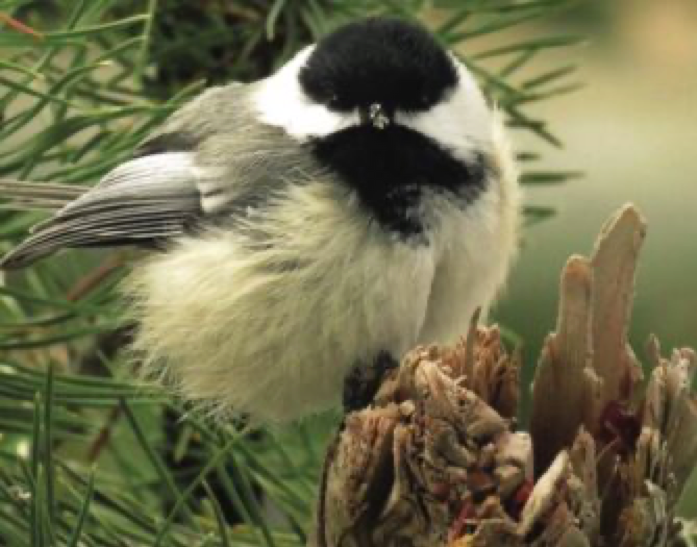
When most birds flee to somewhere warmer these tiny neighbours tough it out. In order to survive they make changes to their body, also known as adapting, in some incredible and unusual ways.