
Why Biodiversity Matters
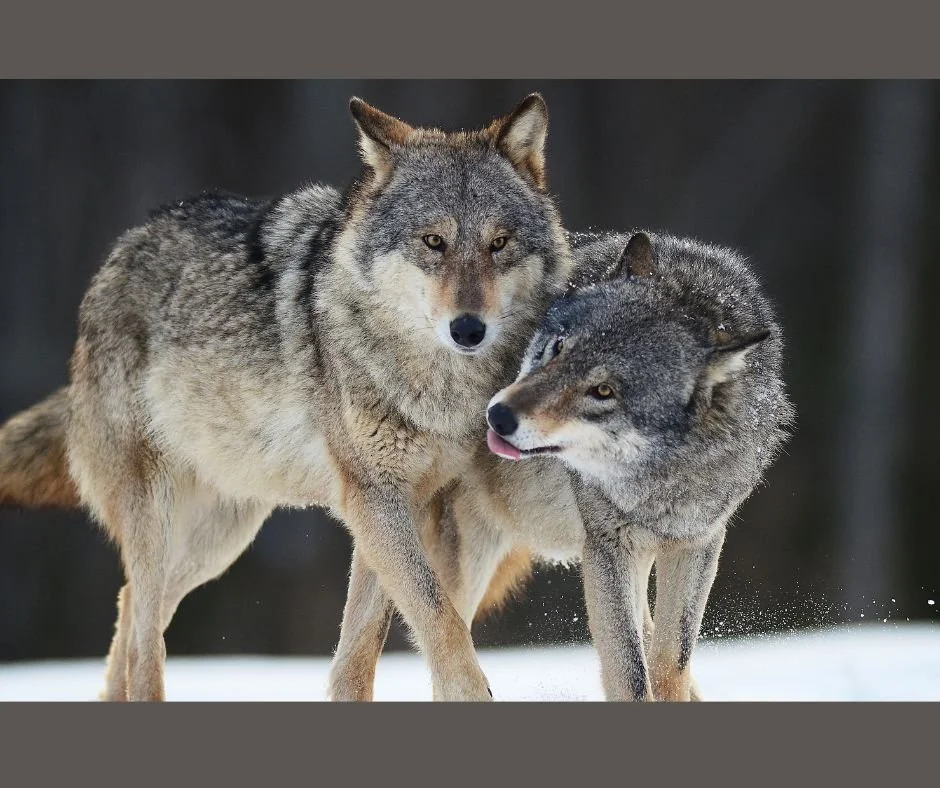
Beginning in 1995 and by the end of 1996, wildlife biologists re-located 31 wolves from Jasper National Park in Alberta to the northern range of Yellowstone National Park. (Article titled “1995 Reintroduction of Wolves in Yellowstone” linked below) Their mission? To reintroduce these wolves to the park in hopes of restoring the long-lost biodiversity, seen in part by the overpopulation of elk, wreaking havoc on the Yellowstone rangeland. 25 years later, it can be seen that the wolves’ interactions within their new environment has changed the whole balance of species in the park. The area is now a rich and vibrant habitat teeming with wildlife, with restored waterways in a thriving ecosystem.
How can that be?
This spectacular outcome exemplifies the interconnectedness that exists between all living organisms. Over millions of years, the Earth has evolved to establish balance between all life forms, from microbes to large carnivores and from fungi to majestic old-growth trees, ensuring the continuation of life on our planet. Any disruption to this equilibrium weakens the relationships between fauna and flora and results in ecosystem degradation, loss of life and eventually an inhospitable environment.
Biodiversity refers to all the varieties of life forms found in one area. These species and organisms work together in ecosystems to maintain healthy environments that we depend on to sustain our lives. For example, microorganisms enrich our soil to grow food; pollinators give us fruits and nuts; larger animals eat the fruits and nuts and then deposit the seeds – which then grow into new plants. Trees and shrubs protect our water, slow evaporation and erosion which protect our fish, while providing us with shelter from the wind and sun. We utilize plants and fungi to make medicines. People seek nature for recreation and enjoyment, which supports us mentally and spiritually. The interrelationships between fauna, flora, land, air, water and even fire create the complexity of life on earth.
Despite all the evidence of our interconnectedness in the web of the natural world, we often and sometimes inadvertently cause irreparable damage. Pollution, overgrazing, over-hunting, poor agricultural and logging practices, negligent industrial practices, poor wildlife management practices and over-tourism contribute to weakening our environment’s resiliency and capacity to react to the changes that result. Habitat becomes degraded, biodiversity loss occurs – the outcome of which is an environment that is unable to provide us with the benefits and enjoyment we have come to expect.
Now, we can make a difference and affect change! We could act globally, but it’s more practical to start locally by reducing our footprint and rebuilding biodiversity in our own backyards. (Check out our sidebar for ideas on how to accomplish this). On a larger scale, you can involve yourself in conservation efforts and invite others to do the same. For example, ask your leaders to consider better land-use practices in logging, farming, extracting resources and recreating. If landusers were to work together to understand the impacts of their collective footprint then find ways to preserve and protect the health of the land, positive and healthy changes to our environment would result.
Fauna and flora make our life both possible and worth living. This is why so many of us have chosen to live in this little piece of paradise known as Bragg Creek and area. Doing our part and encouraging others to do the same – including visitors to our area – will help preserve for generations what we hold dear, so we won’t repeat the Yellowstone National Park experience.
www.yellowstonepark.com/park/conservation/yellowstone-wolves-reintroduction/