
DECK THE HALLS WITH BOUGHS OF SPRUCE
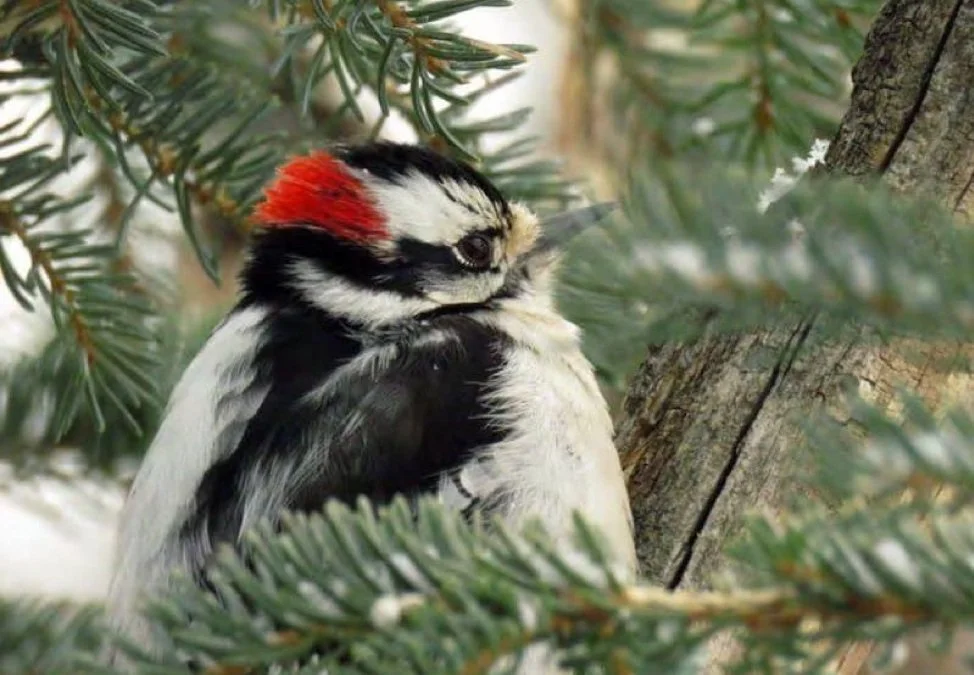
The mighty spruce tree – critical shelter to wildlife in winter and one of the top ten medicinal plants of Canada.
Bragg Creek’s Natural Assets – Yours to Protect
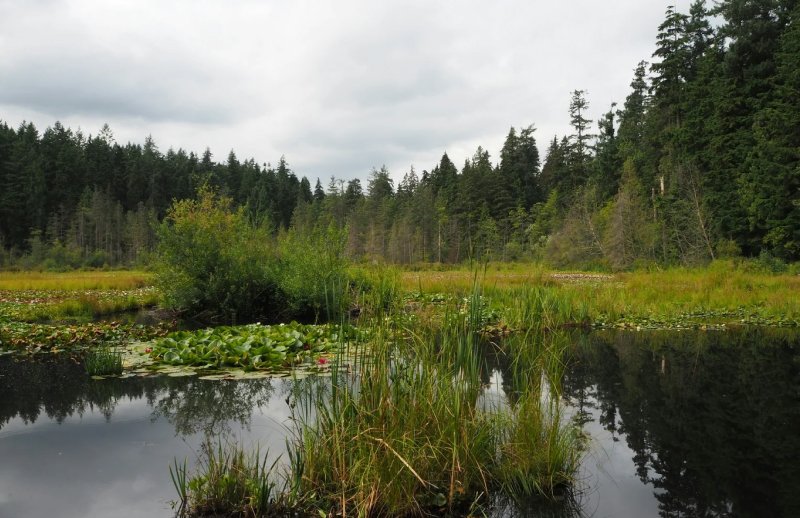
“An environment cannot be all things to all people, all of the time” Brad Stelfox.
Reducing Animal-Vehicle Collisions: Essential Tips for Drivers
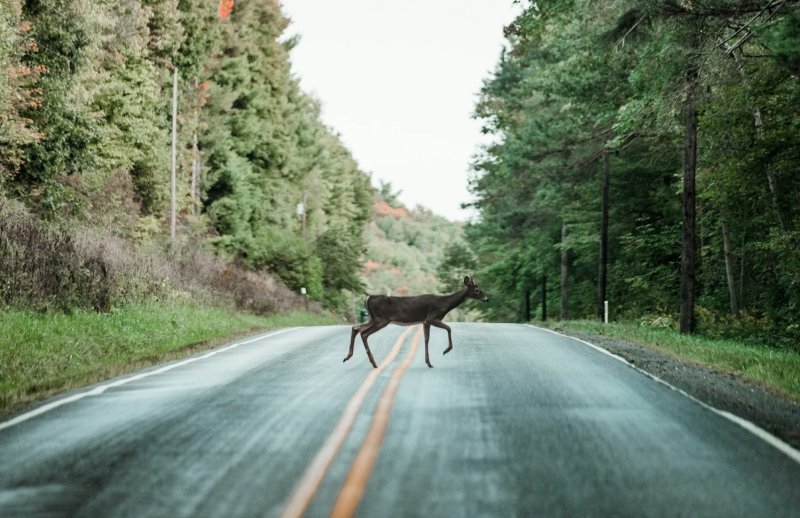
From mid-September to late November, drivers need to be especially vigilant on rural roads to minimize the risk of collisions with wild animals. This is rutting season for moose, deer and elk – a peak period for wildlife movement. With the start of Daylight Saving Time on November 3rd, understanding how to drive safely in these conditions is crucial.
A LONG ‘TAIL’ OF WINTERIZED WEASELS
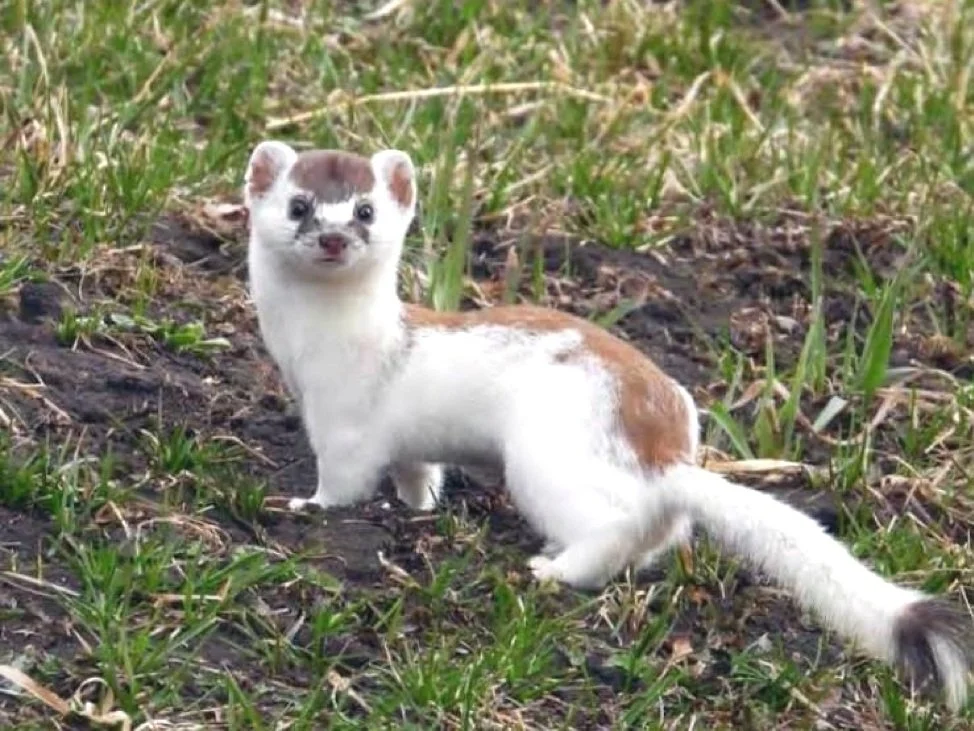
The long-tailed weasel is one of the most ferocious predators in the foothills area. True carnivores, they will consume only fresh meat or the carrion of their prey that they have stored away for later. (Photo credits Jackie Sills)
WINGED WONDERS – BATS
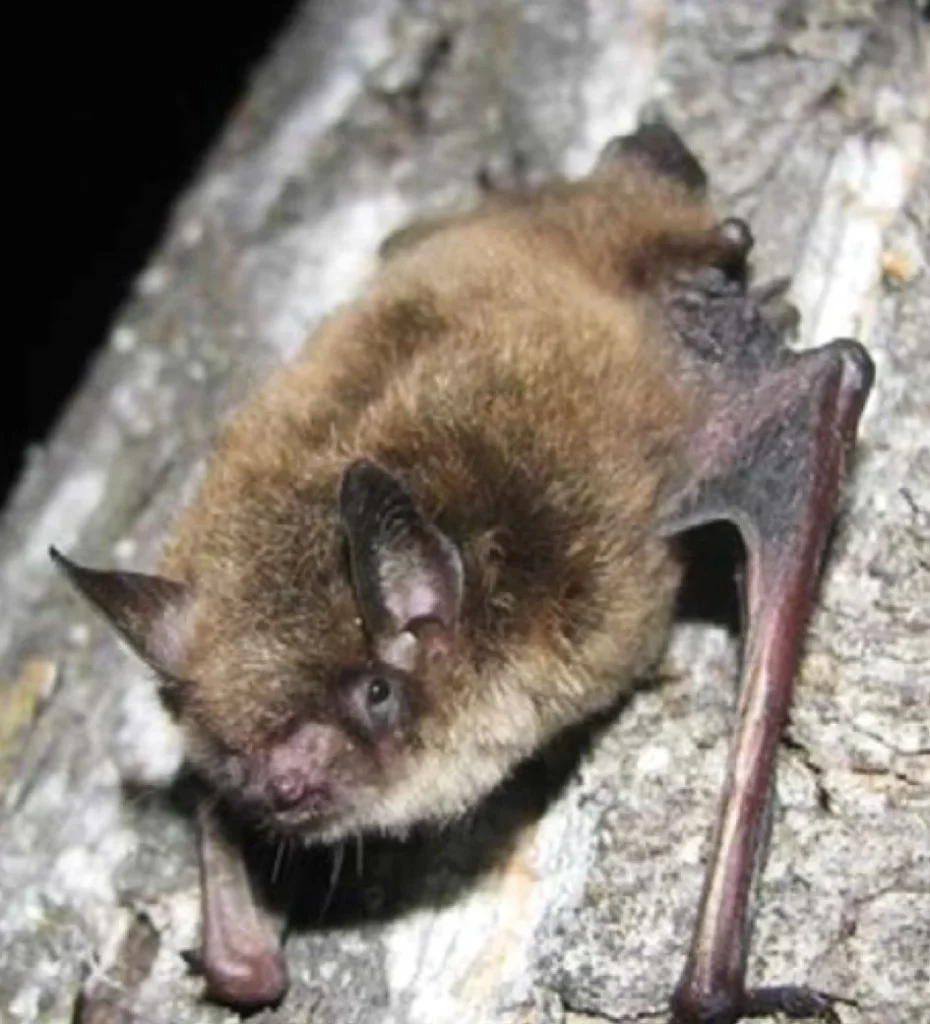
We have nine species of bats in Alberta, and every single one of them is an insectivore. This means that they eat insects, which is a huge plus if you are a farmer who does not like pest insects or if you are one of the many people who loathe our humble mosquitos.
FALL LEAVES – SEPTEMBER IN GLORY
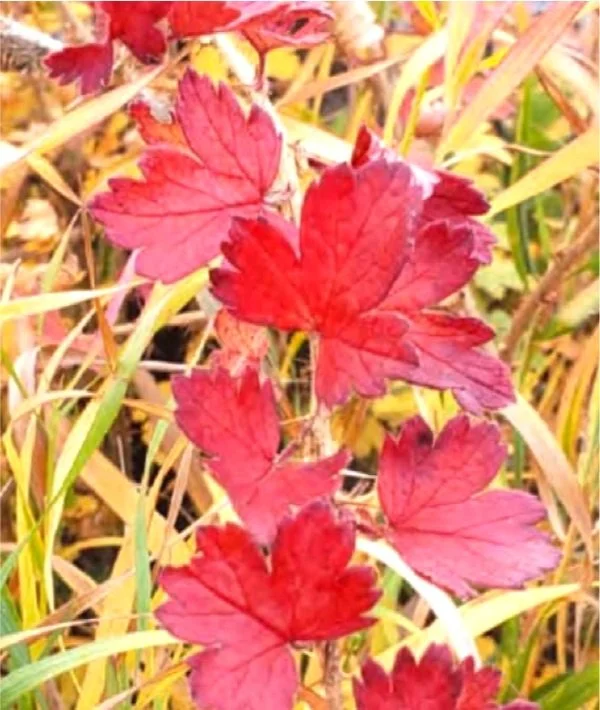
Without chlorophyll in the limelight all the other chemicals are given their own moment in the sun to be the beautiful colours we see in the fall leaves.
E-Bikes and the Wild: Navigating the Balance Between Access and Preservation
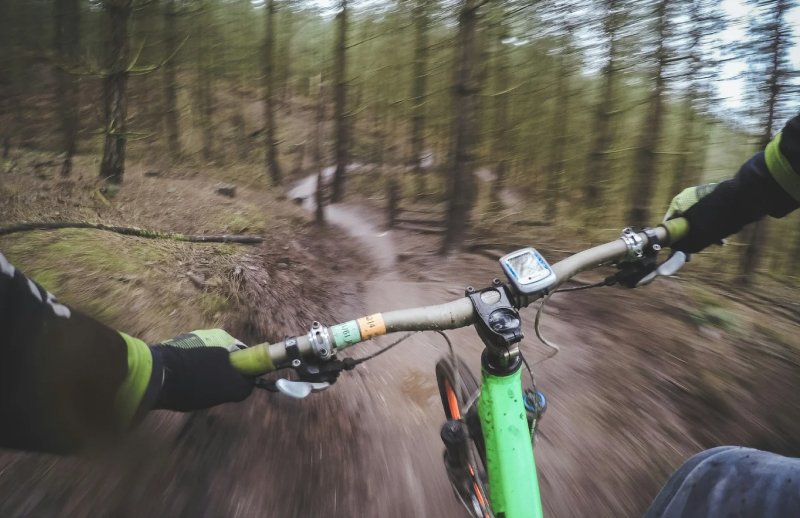
The rising use of e-bikes has opened up new opportunities for exploration – and new challenges that we must address thoughtfully.
Re-Imagining Bragg Creek; Past – Present – Future: A presentation by Dr. Brad Stelfox
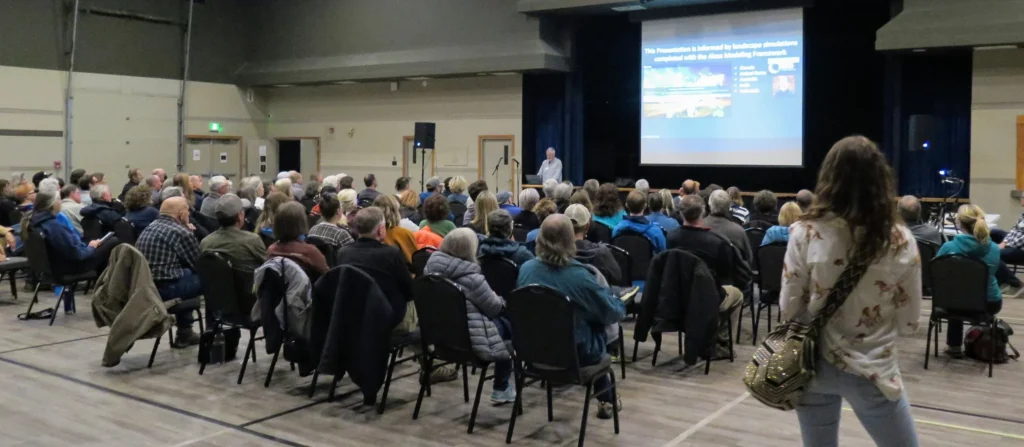
The full video presentation is available on Bragg Creek Wild’s YouTube channel.
AS SUMMER SNAKES IN
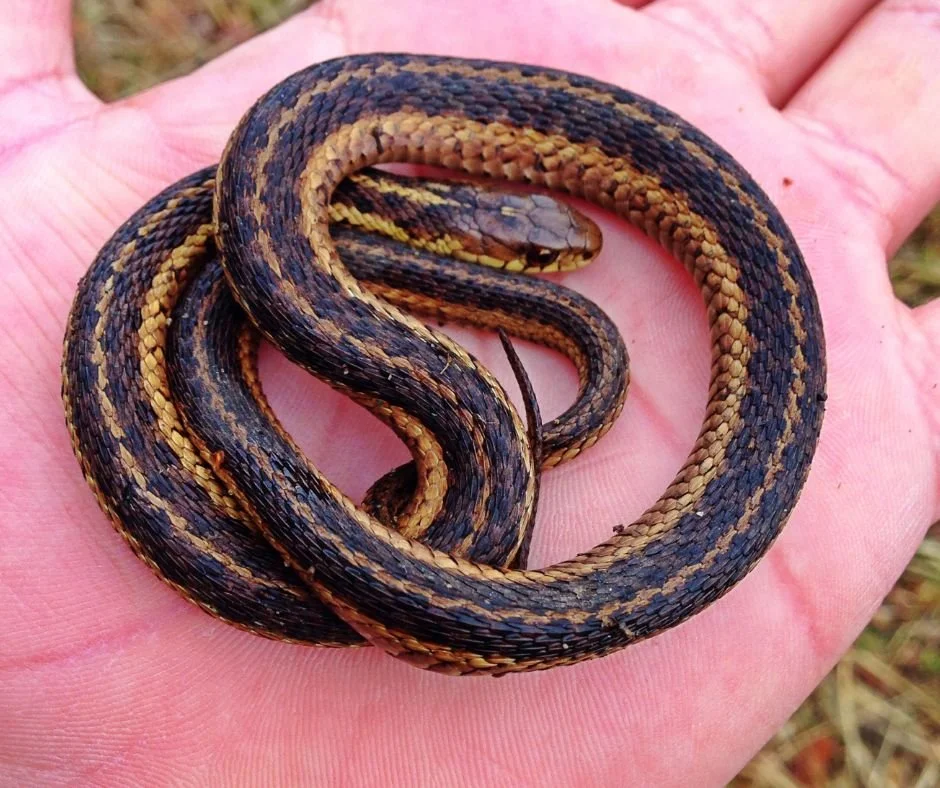
The warmth of July is upon us, and what better way to celebrate than to look at a wild neighbour who also loves sunbathing and taking dips in the water as a summer pastime.
The Original Tree Huggers
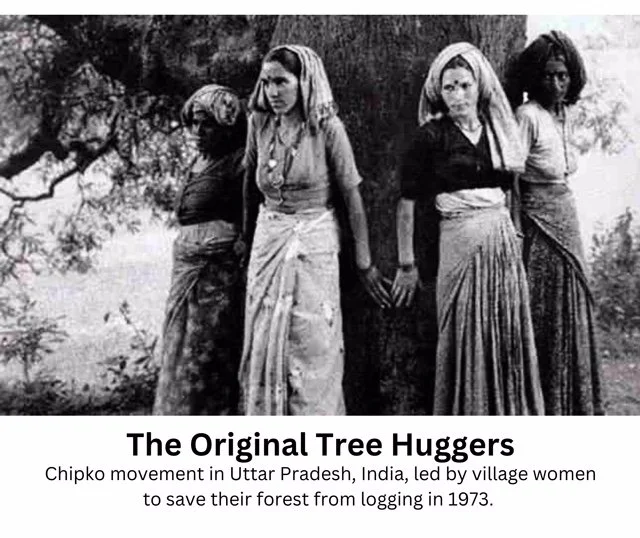
Whether we hug trees or not (and many of us love to), for so many reasons, we need to act to preserve the health of our forests.